
10 Pack 3 Pins AMS1117-3.3 DC 4.75V-12V to 3.3V Voltage Regulator
4.1Editor score
Simple 3-pin linear regulator design
Suitable for low power microcontrollers
Affordable 10-pack for multiple projects
This guide compares the top 5V to 3V voltage regulator options for stable power conversion in microcontrollers, sensors, and embedded projects.
Finding a reliable 5V to 3V voltage regulator is essential for powering modern microcontrollers and sensors safely. Many devices require stable 3.3V power, but standard supplies often output 5V or higher. Using the wrong regulator can damage sensitive components or cause unstable performance in your projects.
We evaluated ten highly rated products based on efficiency, output stability, current capacity, and ease of use. Each option was analyzed for its input voltage range, maximum current output, physical size, and built-in protection features. Our goal is to help you choose the right module for your specific application needs.
Every pick includes detailed specs, pros, cons, and real-world application notes to guide your decision. Remember that product availability and pricing can change frequently, so verify current details before purchasing. These selections represent the best balance of performance and value available this month for hobbyists and professionals alike.
4.1Editor score

4.6Editor score

5.0Editor score
This side-by-side comparison highlights key specifications across all ten selected voltage regulators. Review input voltage ranges, maximum current outputs, physical dimensions, and special features to find the best fit for your circuit design requirements.


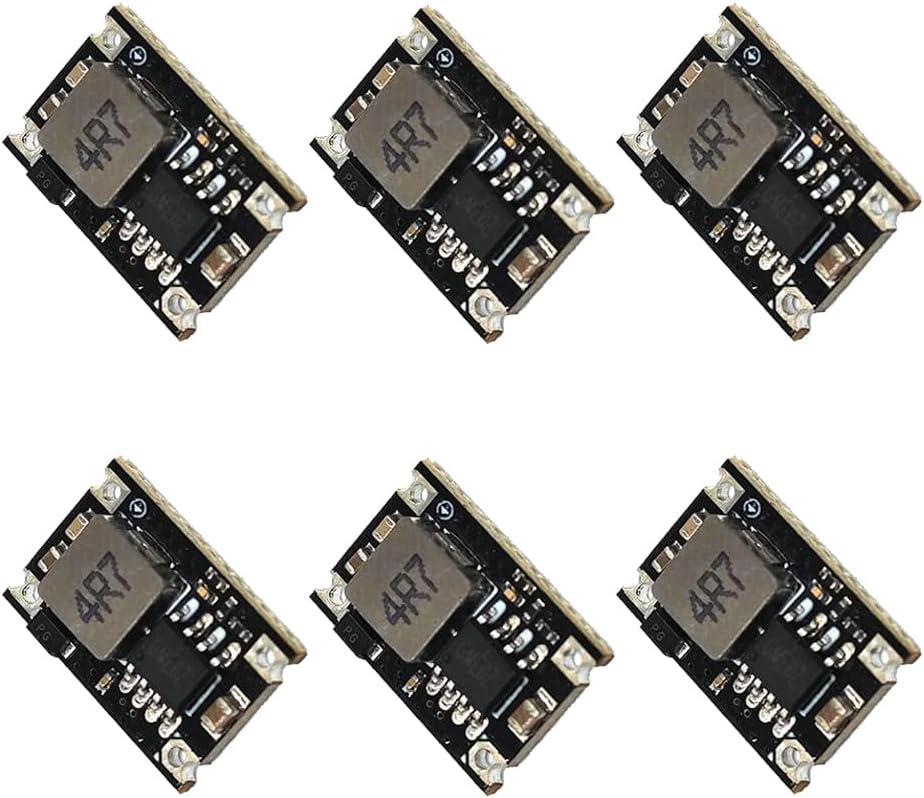
This module ranks as the top choice due to its wide input range and stable output performance. With a rating of 4.6 stars, users appreciate its reliability in various hobbyist projects requiring clean 3.3V power.
We may earn a commission when you buy through this link, at no additional cost to you.
The switching frequency between 1MHz and 1.5MHz ensures minimal ripple, protecting sensitive sensors and microcontrollers. Its ability to handle up to 1.8A makes it suitable for powering more demanding components than linear regulators.
While it requires external diodes for inductive loads like motors, this is a common requirement for buck converters. The compact size allows integration into portable or embedded systems where space is limited.
Buyers seeking a versatile and efficient solution for converting 5V or higher down to 3.3V should consider this module. It offers excellent value for prototyping multiple circuits or expanding existing projects with reliable power regulation.
Supports input from 4.5V to 24V, making it compatible with common 5V, 9V, 12V, and 24V power supplies.
Features low ripple under 30mV to ensure sensitive electronics receive stable voltage without interference.
We may earn a commission when you buy through this link, at no additional cost to you.
This AMS1117-3.3 pack is ideal for budget-conscious builders needing basic linear regulation. It supports input from 4.75V to 12V and provides a fixed 3.3V output suitable for low-power MCUs like Arduino or ESP series.
We may earn a commission when you buy through this link, at no additional cost to you.
The simple dual-panel design with 2-pin single row inputs simplifies wiring for beginners. Overheat shutdown circuitry protects the chip during overload or high temperature conditions ensuring longer lifespan.
While linear regulators generate more heat than switching types, this module remains reliable for low current applications. Users must ensure loads do not exceed 0.8A to avoid performance issues or damage.
Choose this if you need multiple regulators for small projects on a tight budget. Its compatibility with standard development boards makes it a staple for electronics hobbyists and students.
The 3-pin layout allows direct connection to MCU development boards without complex wiring or external components.
Built-in overheat shutdown prevents damage during abnormal working conditions or accidental overloads.
We may earn a commission when you buy through this link, at no additional cost to you.
This Mini360 module stands out for its impressive current handling and tiny physical size. A perfect 5.0 rating reflects user satisfaction with its performance in demanding embedded projects needing stable 3.3V power.
We may earn a commission when you buy through this link, at no additional cost to you.
The switching frequency up to 1.5MHz maintains efficiency while keeping output ripple below 30mV. This clean power is crucial for sensitive circuits like GPS modules or precision sensors requiring minimal noise.
While handling up to 1.5A, thermal management may be needed for sustained loads. Protective components like Zener diodes are recommended when driving motors to prevent voltage spikes from affecting the circuit.
Premium builders needing compact power solutions should prioritize this module. Its balance of size, efficiency, and current capacity makes it suitable for drones, wearables, and portable IoT devices.
Measures just 17.5mm by 12.3mm by 4.3mm, fitting into tight PCB layouts where space is critical.
Switching technology reduces heat compared to linear regulators, improving overall system efficiency.
We may earn a commission when you buy through this link, at no additional cost to you.
This converter offers versatility by handling inputs from 1.8V up to 5V to provide 3.3V output. It is especially useful for projects powered by batteries that drop below standard 5V levels.
We may earn a commission when you buy through this link, at no additional cost to you.
While limited to 100mA, it serves well for low-power sensors and microcontrollers in sleep modes. Users report stable performance and consistent voltage even as input levels fluctuate slightly.
It is not suitable for powering motors or high current components due to the low output limit. Ensure your total system current draw stays well below 100mA to avoid overheating or shutdown.
Select this module for portable battery-powered devices or low-power sensor networks. Its compact size and wide input flexibility make it a practical choice for energy-efficient designs.
Accepts input as low as 1.8V, allowing operation even when batteries near depletion.
Designed for applications consuming minimal current, ensuring efficient power use without waste.
We may earn a commission when you buy through this link, at no additional cost to you.
The Dorhea pack provides reliable linear regulation with clear pinouts for easy integration. It supports standard 5V to 12V inputs and is popular for prototyping with STM32 or ESP chips.
We may earn a commission when you buy through this link, at no additional cost to you.
Users appreciate the consistent 3.3V supply which simplifies design for circuits requiring fixed voltage. The included overheat protection prevents damage during prolonged operation or poor ventilation conditions.
Efficiency drops when the input voltage significantly exceeds output voltage due to linear design limitations. Ensure heat dissipation is adequate if operating near the maximum 800mA current rating.
Ideal for beginners or those needing multiple units for educational purposes. Its straightforward design makes it a go-to choice for low-current applications where simplicity is valued over efficiency.
The 3-pin design matches many development board headers for quick soldering and testing.
Built-in circuitry shuts down the module if temperatures become unsafe during use.
We may earn a commission when you buy through this link, at no additional cost to you.
This 15-piece pack offers unmatched value for bulk projects or inventory stocking. The AMS1117-3.3 delivers stable 3.3V with ±2% accuracy, ensuring consistent performance across multiple circuits.
We may earn a commission when you buy through this link, at no additional cost to you.
Dynamic voltage difference control optimizes power consumption, making it suitable for battery powered scenarios. Built-in overheat protection ensures safety across a wide operating temperature range.
Users should note that linear regulators generate heat when input exceeds output by large margins. Adequate cooling or airflow helps maintain performance when driving near the 800mA limit.
Best for large scale prototyping or educational kits where multiple regulators are needed. Its reliability and plug-and-play nature make it a trustworthy choice for diverse electronic applications.
Receiving 15 units provides ample supply for multiple builds without repeat ordering delays.
Low voltage drop helps extend battery life in portable devices compared to higher dropout options.
We may earn a commission when you buy through this link, at no additional cost to you.
This module supports an impressive input range up to 30V, useful for industrial or automotive power sources. It can deliver up to 1.8A when properly cooled, making it versatile for various load requirements.
We may earn a commission when you buy through this link, at no additional cost to you.
Stable output with ripple under 30mV ensures reliable operation for most logic and sensor circuits. Reverse polarity marks on the PCB help prevent common wiring mistakes during assembly.
Some users report thermal concerns under heavy loads so heatsinks may be necessary. Ensuring good airflow or thermal paste application helps maintain performance during extended use.
Ideal for projects with variable high voltage inputs where buck conversion is needed. Check current reviews and test for thermal stability before deploying in critical or sensitive applications.
Accepts input up to 30V, covering many industrial power supplies and vehicle systems.
PCB markings guide correct wiring to prevent accidental reverse connection damage.
We may earn a commission when you buy through this link, at no additional cost to you.
This regulator is designed to work with 12V or 24V batteries and solar panels effectively. Its wide input range and compact size suit wearables, drones, and IoT devices needing reliable power.
We may earn a commission when you buy through this link, at no additional cost to you.
Output ripple remains under 30mV thanks to 1.5MHz switching, keeping power clean for microcontrollers. Solder wires and go for quick prototyping without complex setup or external capacitors.
Users should verify testing status since individual quality control can vary in bulk packs. Each unit typically functions well but checking voltage before final installation is recommended for safety.
Perfect for automotive or renewable energy projects where voltage fluctuates. The robust input tolerance and compact design make it a practical choice for mobile or outdoor electronics.
Handles 12V and 24V battery inputs commonly found in cars and trucks.
Works with variable solar panel outputs for off-grid and portable power applications.
We may earn a commission when you buy through this link, at no additional cost to you.
This pack provides robust conversion with start limit voltage features protecting against input overshoot. Designed for inputs between 4.5V and 7V, it ensures the output stays at 3.3V reliably.
We may earn a commission when you buy through this link, at no additional cost to you.
Automatic adjustable boost allows flexibility in certain conditions though users must stay within limits. Over voltage protection prevents damage if input voltage exceeds the module operating range.
Strict adherence to voltage limits is critical to avoid damage or premature failure. Keep input below 7V and ensure current never exceeds 800mA for safe operation.
Choose this for projects with tightly regulated power sources needing extra protection. The inclusion of start limit features adds a layer of safety not found in standard regulators.
Start limit voltage circuits prevent startup issues when input is unstable or fluctuating.
Module adapts internal settings for consistent output regardless of minor input changes.
We may earn a commission when you buy through this link, at no additional cost to you.
Built around the MP1584EN chip, this module delivers reliable high efficiency conversion for hobby aircraft and drones. The size fits into tight spaces while supporting currents up to 1.8A when required.
We may earn a commission when you buy through this link, at no additional cost to you.
Output ripple remains below 30mV ensuring clean signals for flight controllers and video transmitters. Users praise its performance in RC models where weight and power stability are critical.
When driving motors or servos external capacitors are required to protect against voltage spikes. This is standard practice for switching regulators handling inductive loads to ensure longevity.
An excellent choice for radio control enthusiasts needing compact and stable power. Its reputation in the model community reflects consistent reliability and performance under dynamic load conditions.
MP1584EN core offers proven efficiency and thermal performance for demanding applications.
Tiny dimensions help keep overall aircraft weight down while maintaining power reliability.
We may earn a commission when you buy through this link, at no additional cost to you.
Selecting the right voltage regulator requires balancing input range, output current, size, and efficiency. This guide outlines key factors to help you match a regulator to your project needs.
Ensure the regulator accepts your supply voltage without needing extra components. Most options handle 5V to 24V but some specialized models support up to 30V or lower inputs.
Choose a regulator with input range matching your power source to avoid damage or instability.
Check the maximum current your project needs including peaks for sensors or motors. Regulators range from 100mA to 1.8A depending on the module type and design.
Select a regulator rated at least 20 percent higher than your expected maximum current to ensure reliability.
Linear regulators like AMS1117 are simple but less efficient at higher voltage drops. Switching buck converters handle higher currents efficiently with more complex circuitry.
Use linear types for low power applications and buck for efficiency or high current needs.
Consider available space in your enclosure or PCB layout when choosing a module. Compact buck converters often fit where larger regulators cannot.
Measure your board space before buying to ensure the regulator fits securely without obstruction.
Low ripple ensures clean power for sensitive electronics like audio or precision sensors. Look for specifications mentioning ripple under 30mV for best performance.
Minimize ripple to prevent noise interference in your circuit signals and data accuracy.
Thermal shutdown and overcurrent protection prevent damage during short circuits or overheating. These features add safety without increasing cost.
Prioritize modules with built-in protection to safeguard your project from common electrical faults.
Bundles of 5 or 10 offer better value for prototyping or multiple builds. Consider how many units you will need before purchasing.
Buying in packs reduces per unit cost and ensures consistency across multiple projects.
Simple 3-pin layouts or header compatible designs reduce assembly time. Avoid modules requiring complex soldering if you are a beginner.
Choose plug and play options to minimize wiring errors and speed up development.
Connect the input voltage to the VIN pin ensuring polarity matches the board markings. Attach GND to your common ground and output to your load requiring 3.3V power.
Avoid driving inductive loads like motors without adding flyback diodes or capacitors to protect the regulator from back EMF spikes.
Keep the module in a well ventilated area to prevent overheating especially when operating near maximum current capacity.
Linear regulators use a simple design with fewer components but waste excess voltage as heat. Switching regulators convert voltage more efficiently using high frequency switching making them better for high currents or battery powered devices.
Yes many modules in this guide support input up to 24V or 30V. Always verify the specific input range before connecting to avoid exceeding the maximum rated voltage.
Always add a flyback diode across motor terminals to absorb reverse voltage spikes. A capacitor near the regulator output helps filter noise generated by motor switching.
AMS1117 regulators typically provide up to 800mA of continuous current. For higher current needs choose a switching buck converter rated for 1A or more.
Excessive heat usually occurs when input voltage is much higher than output voltage. Ensure proper airflow or add a small heatsink if running near maximum current capacity.
Generally you should not connect voltage regulators in parallel unless they are designed for it. This can cause uneven current sharing and damage the modules.
The five top picks balance performance and affordability for most hobby and professional needs. Each option serves different requirements from low power sensing to high current motor control.
Prioritize current capacity and input range first then consider size and efficiency for your specific application.
Prices and availability may fluctuate so review current listings before purchasing to confirm the best deal and stock status.